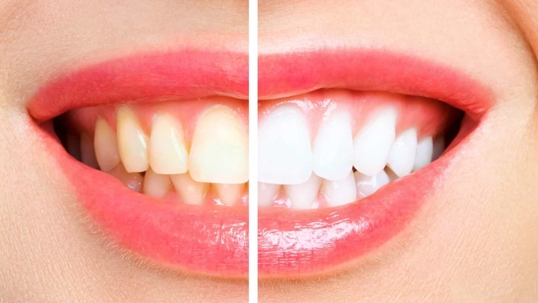
A bright, confident smile can make all the difference in how you feel about yourself. However, with numerous products and online “hacks” promising whiter teeth, it’s easy to fall for misinformation. Tooth whitening is one of the most popular forms of cosmetic dentistry, yet many myths can lead people to make choices that don’t help—or worse, harm—their teeth.
If you’re thinking about whitening your teeth, don’t risk your smile to online myths. Talk to a dental professional today. Contact us here or call (845) 209-2500 to schedule an appointment.
Myth #1: Whitening Damages Tooth Enamel
This is one of the most common fears people have. The truth is, when performed correctly, especially under professional supervision, whitening treatments are safe for your enamel.
- Professional whitening solutions use peroxide-based gels designed to break down stains safely.
- Your dentist carefully controls the strength and exposure time to protect your teeth.
- Overusing store-bought or unapproved products, however, can irritate gums and enamel.
If you’ve experienced sensitivity after whitening, it usually means your teeth need a gentler approach or a customized treatment plan. A dental professional can guide you toward the safest option.
Myth #2: Whitening Works the Same for Everyone
Every smile is different, which means whitening results vary from person to person.
The effectiveness of whitening depends on:
- The type of stains (surface vs. internal discoloration)
- Your age and natural tooth shade
- Whether your teeth have fillings, crowns, or veneers
Some discoloration, such as that caused by trauma, certain medications, or aging, may not respond well to whitening gels. In such cases, your dentist may recommend alternative cosmetic dentistry options, such as veneers or bonding, to achieve a more even appearance.
Myth #3: Whitening Toothpaste Is Enough
Whitening toothpaste can help remove surface stains from coffee, tea, or smoking, but it won’t change the actual color of your teeth. These toothpastes often contain mild abrasives that polish stains, but they can’t penetrate enamel like professional treatments.
If you’re seeking a noticeably brighter smile, talk to your dentist about professional whitening options. You can also learn more about related treatments on our services page.
Myth #4: Natural Remedies Are Always Safer
You may have seen online tips suggesting using baking soda, charcoal, or even lemon juice for whitening. While these ingredients seem harmless, they can actually cause significant damage over time.
- Baking soda and charcoal can wear away enamel when used repeatedly.
- Acidic foods, such as lemon juice, can erode enamel, making teeth more sensitive and prone to cavities.
What may appear to be quick results often comes at the cost of long-term tooth health. Always check with your dentist before trying any home remedies on your teeth.
Myth #5: Professional Whitening Is Too Expensive
Many people assume professional whitening costs far more than at-home kits. In reality, professional care provides safer, faster, and longer-lasting results, often resulting in cost savings in the long run.
At-home products might seem cheaper, but their inconsistent results can lead to repeated purchases and potential damage that costs more to fix later.
Professional whitening, when done correctly, brightens teeth evenly while protecting both gums and enamel.
Your dentist can also recommend maintenance habits—like avoiding dark-colored foods, rinsing after meals, and using touch-up kits—to help your smile stay bright for months or even years.
Myth #6: Once You Whiten, Your Teeth Stay White Forever
Whitening doesn’t permanently change your tooth color. Lifestyle habits such as drinking coffee, tea, or red wine, and natural aging, can cause discoloration to return over time.
You can extend your whitening results by:
- Brushing and flossing regularly
- Rinsing after consuming stain-causing drinks
- Visiting your dentist for regular cleanings and touch-ups
Your dentist can create a personalized maintenance plan to help your smile stay as bright as possible.
When to See a Dentist About Whitening
If you’re considering tooth whitening but feel unsure where to start, it’s best to consult your dental provider. They’ll examine your teeth and gums, discuss your goals, and recommend the safest and most effective treatment options for you.
Ready to brighten your smile safely and effectively? Schedule an appointment today or call (845) 209-2500.